Minimal Basketball Vector: A Practical Guide for Designers and Creators
In the crowded landscape of digital assets, finding graphics that balance aesthetic appeal with technical versatility is a common challenge for designers, educators, and small business owners. The Minimal Basketball Vector represents a specific niche within sports illustration that prioritizes clarity, scalability, and ease of use over complex realism. This style of graphic design has gained traction not merely as a trend, but as a functional solution for projects requiring clean lines and bold visual impact.
When evaluating resources for basketball-themed crafts, sporty branding, or educational materials, understanding the distinct characteristics of minimal vector art is crucial. Unlike photorealistic images or highly detailed 3D renders, a minimal approach strips away unnecessary texture and shadow, focusing on the essential shape and form of the ball. This article explores what makes this format distinct, how it compares to other design styles, and when it serves as the optimal choice for your creative needs.
Defining the Minimal Aesthetic in Sports Illustration
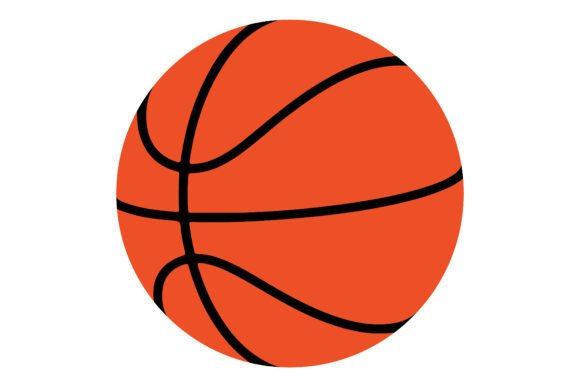
A minimal basketball vector is characterized by its simplicity. It typically features a single, isolated sphere with the iconic black lines that define a basketball’s structure, set against a white or transparent background. The absence of leather textures, rubber grain, or complex lighting effects allows the image to remain legible even at small sizes. This "flat" design philosophy ensures that the symbol remains recognizable whether it is printed on a small sticker or displayed on a large banner.
The technical foundation of these assets is equally important. High-quality minimal vectors are usually delivered in EPS (Encapsulated PostScript) formats, such as EPS 10, which ensures compatibility with a wide range of design software, including Adobe Illustrator. Because they are vector-based, these images are composed of mathematical paths rather than pixels. This means they are fully resizable without any loss of quality. For users who need to adjust dimensions frequently—such as when creating merchandise with varying print areas—this scalability is a significant advantage over raster formats like JPG or PNG.
Comparing Vector Minimalism to Other Design Approaches
To make an informed decision about which asset to use, it is helpful to compare minimal vectors with other common types of basketball imagery. Each style serves different purposes and comes with its own set of tradeoffs.
Minimal Vector vs. Photorealistic Imagery
Photorealistic images capture the tactile details of a basketball, such as the pebbled leather surface and the sheen of studio lighting. While these images are excellent for editorial content or high-end advertising where realism is key, they often fail in practical applications requiring flexibility. A photo cannot be easily recolored to match a brand’s palette without extensive editing. In contrast, a minimal vector allows for instant color changes. If your project requires an orange ball for one version and a monochrome black silhouette for another, the vector format accommodates this instantly.
Minimal Vector vs. Complex Illustrations
Some illustrators prefer detailed, hand-drawn styles that include motion streaks, dynamic shadows, and background elements like courts or hoops. While visually engaging, these complex illustrations can become cluttered when scaled down. For kids’ projects or simple icons, too much detail can distract from the core message. The minimal basketball vector offers a cleaner alternative, ensuring that the focus remains on the concept of the sport rather than the artistic intricacies of the drawing.
Vector vs. Raster Formats
Many free resources online offer basketball clips in JPG or PNG format. While these are easy to view, they are limited by resolution. A 300 DPI JPG may look sharp on screen, but if you attempt to enlarge it for a poster or a t-shirt print, it will pixelate. Vector files, however, maintain crisp edges at any size. For professional printing and editable merchandise, the vector format is superior. However, it is worth noting that vectors require specific software to edit, whereas raster images can be viewed and used by anyone with a basic image viewer.
Practical Applications and Best-Fit Scenarios
Understanding where a minimal basketball vector excels helps in determining its value for your specific project. Here are several scenarios where this type of asset is particularly effective:
- Kids’ Projects and Education: Simple shapes are easier for children to recognize and replicate. Teachers and parents can use these vectors for coloring pages, classroom decorations, or sports day flyers. The clean lines provide a clear template for crafts.
- Sporty Branding and Logos: Startups and local leagues often need logos that work well on various mediums, from social media avatars to embroidered caps. A minimal vector provides a strong, iconic base that can be adapted into a logo without losing integrity.
- Merchandise Printing: When printing on textiles, vinyl, or sublimation materials, simple designs often yield better results. Complex gradients can be difficult to reproduce accurately on fabric, whereas solid colors from a vector file print sharply and consistently.
- Web and App Icons: Digital interfaces benefit from lightweight, scalable graphics. A minimal basketball icon loads quickly and remains clear on high-resolution retina displays, enhancing user experience in sports-related apps or websites.
Evaluating Technical Specifications and Usability
When acquiring a minimal basketball vector, attention to technical details ensures a smooth workflow. A premium quality design should include multiple file formats to cater to different user skill levels. For instance, while the EPS file is ideal for professionals using Adobe Illustrator who wish to modify anchor points and curves, a included JPG file offers convenience for those who need a quick, ready-to-use image without editing capabilities.
Color mode is another critical factor. Designs intended for digital use should be in RGB color mode, while those for print may require conversion to CMYK. However, starting with an RGB vector allows for easy conversion later. Additionally, ensuring the design is constructed from 100% vector shapes rather than embedded raster images guarantees true scalability. Users should verify that the file allows for easy color modification, enabling them to align the graphic with their specific brand guidelines or thematic requirements.
Limitations and When to Choose Alternatives
While the minimal basketball vector is versatile, it is not a universal solution. There are situations where other formats or styles may be more appropriate. If your project aims to evoke emotion through dramatic lighting or realistic texture, a photograph or a detailed 3D render would be more effective. Minimalism, by definition, lacks the depth and nuance required for cinematic or hyper-realistic presentations.
Furthermore, users without access to vector editing software may find the primary EPS file challenging to utilize. In such cases, relying solely on the included JPG might limit the ability to resize the image for large-format printing. Therefore, it is essential to assess your technical resources and project goals before committing to a vector-based workflow. If you lack the tools to edit vectors, consider whether a high-resolution raster image or a pre-customized template might save time and effort.
Making an Informed Decision
Choosing the right graphic asset involves balancing aesthetic preferences with practical constraints. The Minimal Basketball Vector stands out as a robust option for those prioritizing flexibility, clarity, and professional quality. Its ability to scale infinitely, adapt to various color schemes, and integrate seamlessly into both digital and print media makes it a valuable resource for a wide range of creators.
By understanding the distinctions between minimal vectors, realistic images, and complex illustrations, you can select the tool that best fits your narrative. Whether you are designing a logo for a new team, creating educational materials for students, or producing custom merchandise, the clean and bold nature of minimal vector art offers a reliable foundation. Always review the included file formats and licensing terms to ensure the asset meets your specific technical and legal requirements, allowing you to create with confidence and precision.