3D Printing Rubber Stamp Design Vector
The intersection of digital precision and tactile craftsmanship has opened new doors for makers, small business owners, and creative professionals. At the heart of this evolution is the 3D PRINTING Rubber Stamp Design Vector, a digital asset that bridges the gap between modern manufacturing techniques and traditional branding tools. Unlike standard raster images, vector files provide the mathematical precision required for clean lines and scalable graphics, which are essential when preparing designs for 3D printing or laser cutting molds.
This listing offers an Instant Download, meaning you receive immediate access to high-quality digital files without waiting for shipping. It is crucial to understand that this is a digital product; you will not receive a physical item in the mail. Instead, you gain the freedom to produce unlimited physical stamps tailored to your specific needs, whether for packaging, art journals, or professional correspondence.
Understanding the Value of Vector Files in Fabrication
When working with fabrication technologies such as 3D printing or CNC routing, the quality of your source file dictates the quality of your final output. A 3D PRINTING Rubber Stamp Design Vector ensures that every curve, angle, and text element remains crisp regardless of size adjustments. This is particularly important for rubber stamps, where fine details can easily become muddy if the resolution is insufficient.
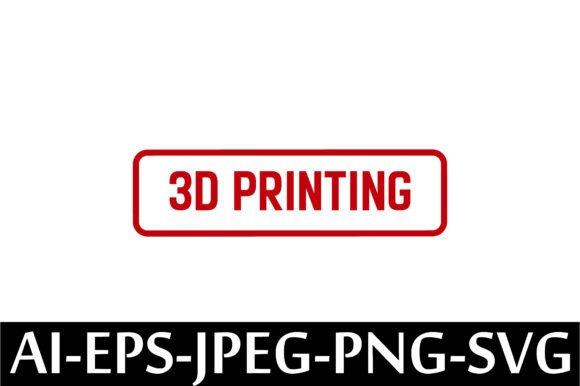
The package includes five distinct file formats to accommodate various software ecosystems and workflow preferences:
- AI File: Ideal for Adobe Illustrator users who need full editability of layers and paths.
- EPS File: A universal vector format compatible with most professional design software, including CorelDRAW and Inkscape.
- SVG File: Perfect for web-based design tools and certain cutting machines that accept scalable vector graphics directly.
- JPEG: A high-resolution raster image suitable for quick previews or reference.
- PNG: A transparent background image useful for digital mockups and compositing.
These files are delivered in a zipped folder. Please ensure that your device has unzipping software installed to access the contents immediately after purchase. This versatility allows designers, educators, and entrepreneurs to integrate the design into their existing workflows seamlessly.
Creative Applications for Makers and Entrepreneurs
The utility of a 3D PRINTING Rubber Stamp Design Vector extends far beyond simple office use. For small business owners, custom stamps are a cost-effective way to add a professional touch to packaging. Imagine sealing eco-friendly mailers with a branded logo stamp instead of using plastic tape. This not only reinforces brand identity but also enhances the unboxing experience for customers.
Freelancers and bloggers can use these designs to create unique watermarks for their digital content or physical merchandise. By printing the stamp on fabric ink pads, you can brand tote bags, aprons, or textile products without the high minimum order quantities associated with screen printing. The ability to sell products created using these files adds significant value, allowing you to monetize your creativity immediately.
Educators and hobbyists will find these vectors invaluable for classroom projects or personal art journals. Teachers can create custom reward stamps for students, while artists can use them to add repetitive patterns or signatures to mixed-media pieces. The precision of the vector design ensures that even intricate details transfer cleanly onto paper, fabric, or clay.
Technical Considerations for 3D Printing Stamps
While the vector file provides the visual design, translating it into a functional 3D printed stamp requires attention to technical details. When using the 3D PRINTING Rubber Stamp Design Vector as a basis for creating a mold or a direct-print stamp, consider the depth and relief of your design. Standard 3D printers using PLA or resin can achieve high levels of detail, but the orientation of the print matters.
For best results, ensure that the negative space in your design is wide enough to prevent ink pooling. Fine lines should be balanced with sufficient spacing to maintain clarity when pressed onto a surface. If you are using the vector to create a mold for casting rubber, the smooth edges provided by the AI or EPS files will result in a cleaner cast with fewer imperfections. This reduces post-processing time and ensures a professional finish.
It is also important to choose the right material for the stamp itself. While 3D printed plastics can work for light use, casting urethane rubber or silicone using a 3D printed master often yields better ink absorption and durability. The vector files serve as the perfect blueprint for creating these masters, ensuring consistency across multiple productions.
Customization and Brand Consistency
One of the greatest advantages of owning the source files is the ability to customize. Using the included AI or EPS files, you can adjust colors, modify text, or resize elements to fit specific dimensions. This flexibility is crucial for maintaining brand consistency across different platforms and products. Whether you are designing for a minimalist aesthetic or a bold, graphic look, the vector format allows for non-destructive editing.
Marketers can adapt the design for seasonal campaigns by tweaking minor elements without losing the core brand identity. For instance, adding a holiday motif to the existing vector structure can create limited-edition stamps for special promotions. This agility enables businesses to respond quickly to trends while keeping production costs low.
Best Practices for Digital Asset Management
To maximize the lifespan and utility of your 3D PRINTING Rubber Stamp Design Vector, organize your digital assets effectively. Store the original zipped file in a secure cloud backup and keep an uncompressed copy on your local drive. Label your files clearly, noting the version and date of any modifications you make. This practice prevents confusion and ensures that you always have access to the highest quality original.
When sharing files with collaborators or manufacturers, use the PDF or EPS formats to preserve vector integrity. Avoid converting vectors to low-resolution JPEGs for production purposes, as this can introduce pixelation and jagged edges. By respecting the technical nature of these files, you ensure that every physical stamp you produce meets professional standards.
In conclusion, this digital product empowers creators to take control of their branding and crafting processes. By providing a comprehensive set of vector and raster files, it removes the barriers between idea and execution. Whether you are a seasoned designer or a curious beginner, the 3D PRINTING Rubber Stamp Design Vector offers a practical, versatile foundation for endless creative possibilities. Thank you for visiting, and we look forward to seeing what you create.