Crafting Elegance: The Complete Guide to the Welcome Sign STL 3D Model Print
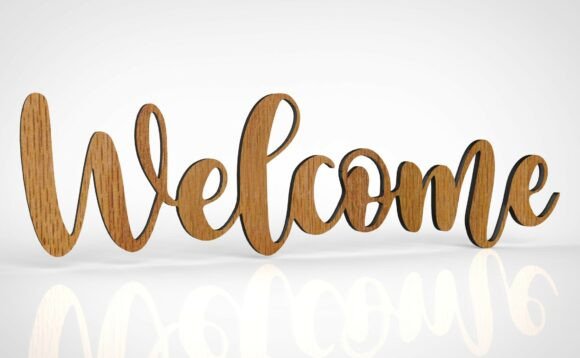
In the realm of modern home décor and personalized craftsmanship, few elements convey hospitality as effectively as a well-placed entrance sign. The transition from a generic store-bought plaque to a custom-crafted piece marks a significant shift in how we perceive our living spaces. At the heart of this transformation is the Welcome Sign STL 3D Model Print, a digital asset that bridges the gap between advanced manufacturing technology and traditional aesthetic warmth. This single-piece script design offers makers, hobbyists, and professional fabricators a versatile foundation for creating stunning entryway art.
The appeal of this specific model lies not just in its visual elegance but in its technical adaptability. Designed as one continuous, single-piece script word, it eliminates the assembly headaches often associated with multi-part signage. Whether you are a CNC router operator, a laser cutting enthusiast, or a 3D printing aficionado, this file format serves as a universal key to unlocking high-quality decorative results. By understanding the nuances of this digital file, creators can produce pieces that rival professional interior design installations.
The Versatility of Multi-Platform Compatibility
One of the most compelling advantages of this digital download is its broad compatibility across various fabrication methods. Unlike files restricted to a single machine type, this package includes STL, SVG, and DXF formats, ensuring that regardless of your workshop setup, you can bring the design to life. This flexibility is crucial for creators who may own multiple machines or those looking to outsource production to local makerspaces.
For users of CNC routers, the DXF file provides precise vector paths that allow for clean cuts in wood, plywood, and MDF. The continuous nature of the script ensures structural integrity, reducing the risk of fragile letters breaking during the carving process. Similarly, laser cutting enthusiasts will find the SVG file indispensable. When working with materials like acrylic or thin plywood, the laser’s precision highlights the fluid curves of the typography, creating a sleek, modern look that fits seamlessly into contemporary homes.
Meanwhile, the STL file for CNC 3D printing opens up a different dimension of creativity. Additive manufacturing allows for depth and texture that subtractive methods cannot easily achieve. Whether using FDM printers with PLA filament for a matte, colorful finish or SLA printers with resin for intricate, smooth details, the 3D printed version adds a tactile quality to the welcome sign. This multi-format approach ensures that the design remains accessible to a wide audience, from beginners with basic equipment to professionals with industrial-grade machinery.
Material Selection and Aesthetic Impact
The choice of material plays a pivotal role in the final appearance of your door sign. Each medium interacts with light and texture differently, offering unique stylistic opportunities. Wood remains a perennial favorite for home entryways due to its natural warmth and organic feel. When carved from walnut or oak, the script gains a rustic charm that complements farmhouse or traditional architectural styles. The grain of the wood adds character, making each piece truly one-of-a-kind.
For a more modern or minimalist aesthetic, acrylic and plastic offer sleek, uniform surfaces. Laser-cut acrylic signs can be layered to create depth or backlit with LED strips for a glowing nighttime effect. This is particularly popular for offices or commercial spaces where branding and visibility are paramount. On the other hand, 3D printed materials like PLA and resin allow for vibrant colors and complex geometries. A pastel-colored resin print can serve as a whimsical addition to a nursery or a playful touch to a creative studio.
When selecting materials, consider the environment where the sign will be placed. Outdoor installations require weather-resistant materials such as treated wood, UV-stable plastics, or metals cut via CNC. Indoor decorations offer more freedom, allowing for delicate finishes and lighter materials. The single line design ensures that regardless of the material, the structural balance remains intact, preventing warping or sagging over time.
Applications Beyond the Front Door
While the primary function of this model is as a welcome sign, its elegant script form lends itself to numerous other applications. In wedding décor, these signs are increasingly popular as photo booth backdrops or table markers. The ability to scale the file without losing quality means that a small desk ornament and a large wall-mounted feature can be produced from the same source file. This scalability is a significant benefit for event planners and crafters who need consistent branding across different sizes.
In educational settings, such signs can be used to label classrooms or library sections, adding a touch of sophistication to institutional environments. Offices benefit from the professional yet inviting tone set by a custom entrance sign. It signals attention to detail and care for visitor experience. Furthermore, the concept extends to interior wall décor, where the word "Welcome" can be part of a larger gallery wall or stand alone as a focal point in a hallway or living room.
The cnc wall art potential is vast. By combining the script with other geometric shapes or floral motifs available in separate files, creators can build complex compositions. The simplicity of the single-word design acts as a neutral anchor, allowing it to blend with various interior design themes, from bohemian to industrial chic. This adaptability makes it a valuable asset for any creator’s digital library.
Technical Considerations for Optimal Results
To achieve the best results with your Welcome Sign STL 3D Model Print, attention to technical settings is essential. For 3D printing, layer height and infill density should be adjusted based on the desired finish and strength. A higher resolution print will capture the smooth curves of the script more accurately, while adequate infill ensures the sign is durable enough for handling and mounting. Support structures may be necessary depending on the orientation of the print, particularly for overhanging parts of the cursive letters.
For CNC and laser cutting, tool path optimization is critical. Ensuring that the bit size matches the smallest details of the script prevents unintended rounding of sharp corners. In laser cutting, power and speed settings must be calibrated to the specific material thickness to avoid charring or incomplete cuts. Testing on scrap material before committing to the final piece is a best practice that saves time and resources.
Post-processing also contributes significantly to the final quality. Sanding 3D printed parts removes layer lines, creating a smoother surface ready for painting. Staining or sealing wood enhances its natural beauty and protects it from environmental damage. Acrylic pieces may benefit from flame polishing to restore clarity to cut edges. These finishing touches elevate the project from a simple prototype to a polished, professional product.
Empowering Makers and Small Businesses
The availability of high-quality digital files like this empowers individual makers and small business owners to compete in the custom décor market. By leveraging affordable technology and accessible designs, entrepreneurs can offer personalized products without the overhead of large-scale manufacturing. The laser cut file and 3D model provide a low-barrier entry point for starting a side hustle or expanding an existing product line.
Educators can use these files to teach students about digital fabrication, design thinking, and material science. The process of taking a digital concept to a physical object provides hands-on learning experiences that are both engaging and practical. Hobbyists find satisfaction in the creative process, transforming raw materials into meaningful gifts for friends and family.
Ultimately, the value of this home decoration asset lies in its ability to inspire creativity. It serves as a canvas for personal expression, allowing users to experiment with colors, materials, and scales. Whether used for a personal project or a commercial venture, the Welcome Sign STL model represents the convergence of technology and tradition, offering a timeless way to greet guests with style and grace. By mastering the tools and techniques associated with this file, creators can produce works that are not only visually appealing but also technically sound and deeply personal.