Elevating Valentine’s Day Merchandise with 3D Inflated Mug Designs
The landscape of seasonal merchandise is undergoing a subtle yet significant transformation. As consumers become increasingly discerning about the aesthetic quality of the products they purchase, creators and entrepreneurs are seeking design assets that offer more than just flat, two-dimensional imagery. Enter the 3D Inflated Valentine Mug Design PNG, a digital asset that bridges the gap between whimsical artistry and professional-grade sublimation printing. This design trend is not merely a fleeting fad; it represents a broader shift in consumer preference toward tactile, visually engaging, and high-quality personalized goods.
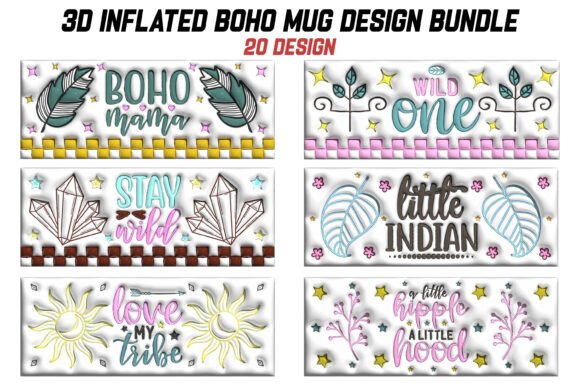
For professionals in the print-on-demand industry, graphic designers, and small business owners, understanding the utility and appeal of these inflated-style graphics is crucial. These assets are engineered to meet the rigorous demands of modern digital printing, offering a unique visual texture that mimics the softness and volume of balloon art or plush materials. By integrating such designs into your workflow, you align your product offerings with current market expectations for depth, realism, and emotional resonance.
The Evolution of Digital Asset Quality in Print-on-Demand
In the early days of custom printing, simplicity often ruled. Basic clip art and standard fonts were sufficient for many applications. However, the market has matured. Today’s customers expect boutique-level quality, even from mass-produced items. The 3D Inflated Valentine Mug Design PNG addresses this demand by providing a high-resolution, transparent background image that retains clarity and detail at large scales. This is particularly important for sublimation printing, where image fidelity directly correlates with perceived value.
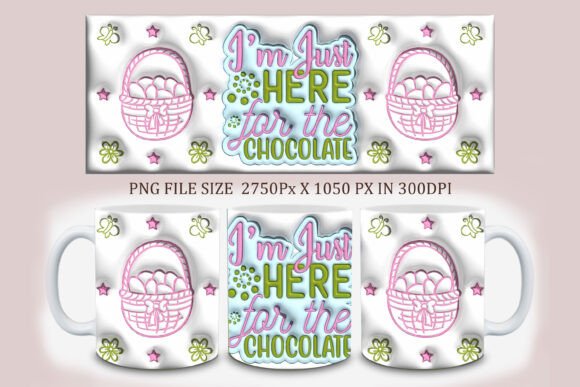
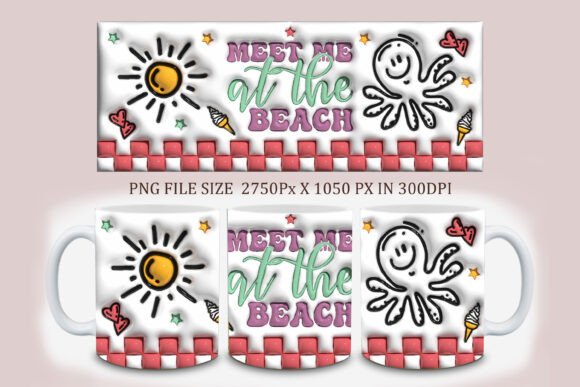
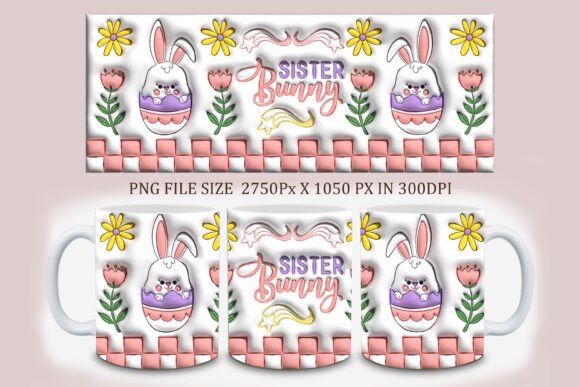
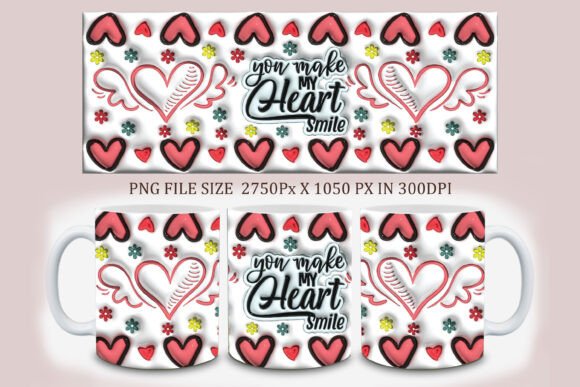
When we discuss the relevance of these designs, we must consider the technical specifications that make them viable for professional use. A typical high-quality file in this category offers a resolution of 300 DPI (dots per inch), which is the industry standard for sharp, crisp printing. For an 11-ounce mug, which generally requires a print area of approximately 9 x 3.5 inches (or 2700px x 1050px), having a source file that matches or exceeds these dimensions ensures that no pixelation occurs during the transfer process. This attention to technical detail is what separates amateur attempts from professional-grade merchandise.
Why the "Inflated" Aesthetic Resonates with Modern Consumers
The popularity of 3D inflated designs is rooted in psychological and aesthetic trends. The "inflated" look evokes feelings of softness, playfulness, and comfort. In the context of Valentine’s Day, a holiday centered around affection and warmth, this visual language is particularly effective. It moves away from the rigid, sharp lines of traditional vector graphics and embraces a softer, more approachable style. This aligns with broader lifestyle trends that prioritize comfort, nostalgia, and emotional connection in consumer goods.
Furthermore, the 3D effect creates a sense of depth that captures attention in crowded digital marketplaces. When a potential customer scrolls through hundreds of generic heart-themed mugs, a design that appears to pop off the screen due to its shading and volumetric rendering stands out. This visual distinction can significantly improve click-through rates and conversion metrics for online sellers.
Practical Applications Beyond the Mug
While the primary application for these assets is often sublimation on ceramics, their versatility extends far beyond coffee cups. The 3D Inflated Valentine Mug Design PNG is a multipurpose creative tool. Because these files are typically provided in PNG format with transparent backgrounds, they can be seamlessly integrated into various design projects without the need for complex masking or background removal.
- Sublimation Products: Ideal for mugs, tumblers, and coasters where full-wrap printing is common.
- Apparel: Perfect for t-shirts and hoodies, especially when using direct-to-garment (DTG) printing methods that benefit from high-resolution raster images.
- Home Decor: Excellent for throw pillows, tote bags, and framed artwork, adding a touch of whimsical romance to living spaces.
- Paper Goods: Suitable for greeting cards, scrapbooks, and stickers, allowing crafters to create cohesive themed collections.
This adaptability makes the design a valuable addition to any creator’s library. By purchasing a single high-quality asset, entrepreneurs can diversify their product lines, reducing the time and cost associated with creating unique designs for each item type. This efficiency is critical in the fast-paced world of seasonal sales, where time-to-market can determine success.
Technical Considerations for Optimal Results
To fully leverage the potential of these digital files, users must adhere to specific technical workflows. First and foremost, accessing these assets requires a computer capable of handling compressed files. You will need software to unzip the downloaded archives, followed by a design editing program that supports both JPG and PNG file formats. Programs such as Adobe Photoshop, Canva, or CorelDRAW are commonly used to position and scale the images correctly before printing.
It is also essential to manage expectations regarding color accuracy. While the digital files are crafted with vibrant, eye-catching hues, actual colors may vary slightly due to monitor settings. Each screen displays colors differently based on calibration, brightness, and contrast levels. Additionally, the final output depends heavily on the printing method and materials used. Sublimation ink interacts with polyester coatings, while DTG printers interact with fabric fibers. Therefore, depending on how you choose to print out the image, colors and quality may vary. Professionals recommend running test prints to calibrate their equipment and ensure the final product meets their quality standards.
Integrating Design Assets into a Broader Business Strategy
For marketers and business owners, the adoption of high-quality design assets like the 3D Inflated Valentine Mug Design PNG is not just a creative choice but a strategic one. In an era where brand identity is paramount, consistency and quality across all touchpoints build trust and loyalty. Using premium clip art signals to customers that you care about the details, which can justify higher price points and foster repeat business.
Moreover, these designs facilitate faster content creation. Social media marketing relies on a steady stream of visually appealing content. Having a library of versatile, high-resolution images allows businesses to quickly generate promotional graphics, email headers, and website banners that align with seasonal campaigns. This agility is a competitive advantage in the digital marketplace.
The Role of Technology in Creative Workflows
The ease of use associated with modern digital assets reflects broader technological advancements. The shift from physical clip art books to instant digital downloads has democratized access to professional-grade design resources. Creators no longer need advanced illustration skills to produce stunning visuals; they need the discernment to select the right assets and the technical know-how to implement them effectively. This lowering of barriers to entry has fueled a boom in the creator economy, enabling freelancers and small teams to compete with larger entities.
However, this accessibility also raises the bar for quality. As more people enter the market, differentiation becomes harder. This is why specialized, niche designs like the 3D inflated style are so valuable. They offer a distinct aesthetic that is not yet oversaturated, providing early adopters with a unique selling proposition.
Conclusion: Embracing Quality and Versatility
The 3D Inflated Valentine Mug Design PNG represents more than just a seasonal graphic; it is a testament to the evolving standards of digital design and print production. By combining technical precision with emotional appeal, these assets empower creators to produce merchandise that resonates with modern consumers. Whether you are designing for sublimation products, cards, frame artwork, scrapbooks, t-shirts, pillows, bags, or stickers, the key lies in leveraging high-quality resources that enhance your brand’s perceived value.
As you incorporate these designs into your projects, remember the importance of technical preparation. Ensure you have the necessary software to handle PNG and JPG formats, and always account for potential color variations in your final prints. By doing so, you position yourself not just as a seller of products, but as a curator of quality experiences. In the competitive landscape of creative commerce, attention to detail and adherence to professional standards are the true drivers of long-term success.
For those looking to expand their creative toolkit, investing in versatile, high-resolution assets is a forward-looking strategy. It aligns with the growing consumer demand for authenticity, quality, and visual engagement. As technology continues to refine the possibilities of digital printing, the synergy between innovative design and precise execution will remain the cornerstone of successful creative enterprises.