Elevating Seasonal Merchandise: The Strategic Value of 3D Inflated Easter Mug Design for Modern Creators
In the rapidly evolving landscape of print-on-demand and digital creative assets, standing out requires more than just seasonal relevance; it demands visual innovation. As we approach the spring season, creators, entrepreneurs, and marketers are increasingly turning toward hyper-realistic, tactile-inspired graphics to capture consumer attention. At the forefront of this trend is the 3D Inflated Easter Mug Design, a digital asset that bridges the gap between whimsical holiday aesthetics and high-end product visualization. This article explores why this specific design style is gaining traction, how it integrates into modern creative workflows, and why it represents a smart investment for professionals looking to maximize their seasonal revenue.
The Shift Toward Tactile Digital Aesthetics
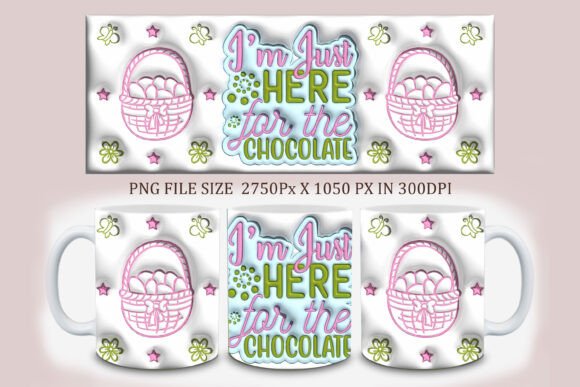
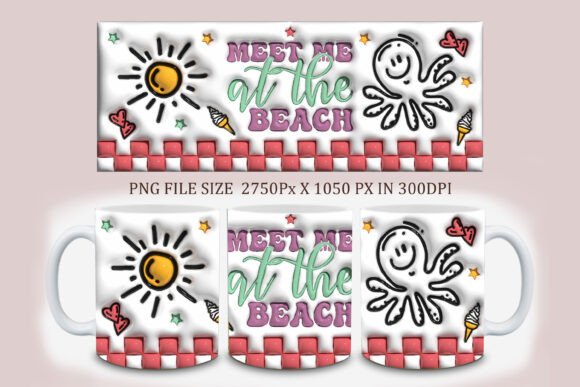
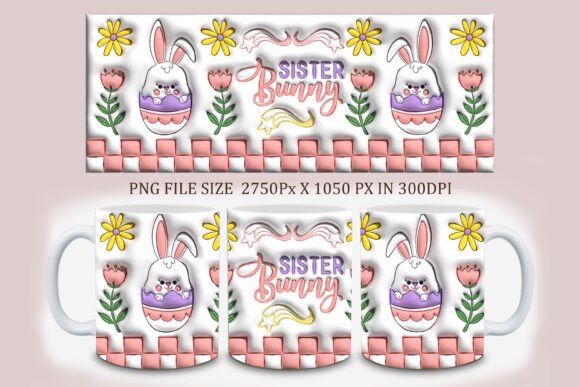
For years, flat vector art dominated the sublimation and print-on-demand markets. While effective, the market has become saturated with two-dimensional illustrations. Consumers today, influenced by high-fidelity social media content and advanced rendering technologies, are drawn to designs that offer depth, shadow, and a sense of physical presence. The 3D Inflated Easter Mug Design answers this call by mimicking the look of inflated balloons or soft, plush materials. This "inflated" aesthetic creates an immediate sensory connection, making the digital file feel tangible even before it is printed.
This shift is not merely artistic; it is psychological. In a digital-first shopping environment, customers cannot touch products. Therefore, the visual representation must do the heavy lifting. By utilizing a design that suggests volume and softness, sellers can evoke feelings of comfort and playfulness—key emotional drivers during the Easter holiday. For freelancers and agencies, understanding this nuance is critical. It is no longer enough to provide a generic bunny graphic; the market demands assets that convey texture and dimensionality through clever shading and perspective.
Versatility Across Creative Industries
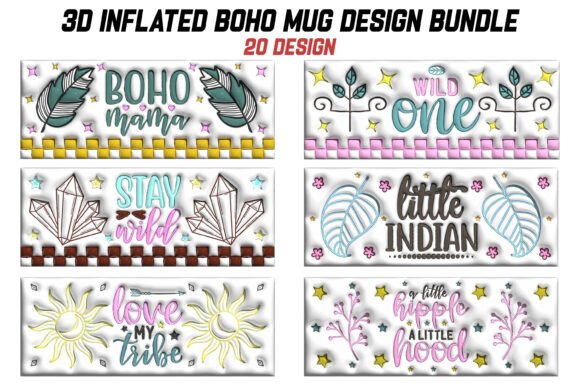
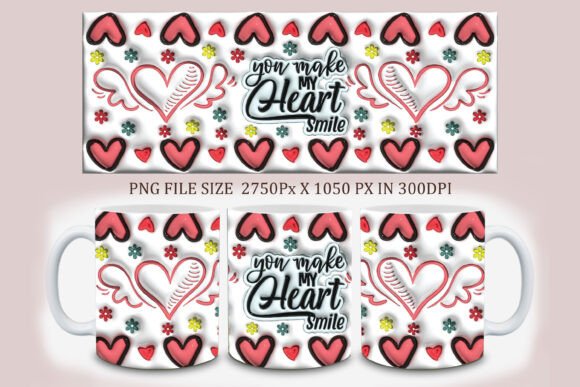
One of the primary reasons the 3D Inflated Easter Mug Design has become a staple for diverse creative projects is its adaptability. These quality clip art designs are perfect for a multitude of creative projects, extending far beyond simple mug wraps. While the primary application may be sublimation products, the high-resolution nature of these assets allows for seamless integration into various mediums.
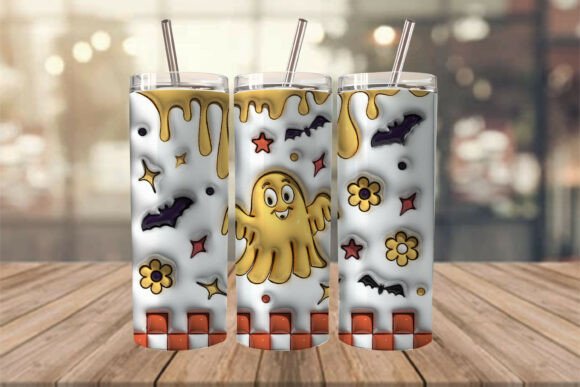
- Sublimation Products: The core utility lies in creating eye-catching mugs, but the design also translates beautifully to tumblers and water bottles.
- Apparel and Textiles: When applied to t-shirts and pillows, the 3D effect adds a modern, streetwear-inspired twist to traditional holiday motifs.
- Paper Goods and Stationery: Cards, scrapbooks, and frame artwork benefit from the depth these images provide, making them stand out in physical retail displays or online listings.
- Accessories: Bags and stickers gain a premium look when featuring inflated-style graphics, appealing to younger demographics who favor bold, playful aesthetics.
For entrepreneurs managing multiple product lines, this versatility reduces the need to source disparate assets. A single, high-quality design package can fuel an entire seasonal collection, streamlining inventory management and marketing efforts.
Technical Specifications and Workflow Integration
To leverage these designs effectively, creators must understand the technical requirements that ensure professional results. The 3D Inflated Easter Mug Design provided in this context is engineered for high-quality output. Specifically, the digital file is a PNG format at 300 DPI, which is the industry standard for crisp, clear printing. The dimensions are optimized for the most popular mug size: 11 ounces, measuring approximately 9 x 3.5 inches (2700px x 1050px).
Integrating these files into your workflow is straightforward but requires specific tools. You will need a computer to unzip these files and a design editing program that supports JPG and PNG file formats to use them. Software such as Adobe Photoshop, Canva, or Affinity Designer allows you to manipulate the layers, adjust colors, and position the design precisely on your mockups. Because the files are transparent PNGs, they can be layered over different background colors or textures without losing quality, offering immense flexibility for customization.
- Download and Extract: Ensure you have software capable of handling ZIP archives to access the high-resolution files.
- Import into Editor: Open your preferred design software and import the PNG file.
- Customize: Adjust the design to fit your specific product template. For an 11oz mug, ensure the 2700px width aligns correctly with the printable area.
- Proof and Print: Always review the design at 100% zoom to check for clarity before sending it to your sublimation printer.
Navigating Color Accuracy and Consumer Expectations
A critical aspect of selling digital designs and physical products derived from them is managing customer expectations regarding color fidelity. It is important to note that actual colors may vary slightly due to monitor settings. Depending on how you choose to print out the image, colors and quality may vary. This variance is a natural part of the digital-to-physical production process.
Professionals should proactively address this in their product descriptions. By educating customers about the differences between RGB (screen) and CMYK (print) color spaces, creators can build trust and reduce return rates. Furthermore, using high-quality sublimation paper and calibrated printers can minimize these discrepancies. The 3D Inflated Easter Mug Design is crafted with vibrant, spring-appropriate palettes that generally translate well across most standard printing setups, but awareness of these variables is key to maintaining a reputable brand.
Market Relevance and Future Trends
Why are people paying attention to this specific style now? The answer lies in the broader convergence of technology and lifestyle trends. As augmented reality (AR) and virtual try-on technologies become more common in e-commerce, consumers are becoming accustomed to seeing products in three dimensions. The inflated aesthetic mirrors this digital evolution, serving as a bridge between physical merchandise and digital-native design languages.
Moreover, the demand for unique, non-generic holiday decor is rising. Mass-produced items often lack personality, driving consumers toward independent creators who offer distinctive designs. The 3D Inflated Easter Mug Design offers that distinctiveness. It feels fresh, modern, and carefully curated, appealing to buyers who view their home goods and accessories as extensions of their personal style.
For marketers and freelancers, this trend presents an opportunity to position themselves as forward-thinking innovators. By adopting these advanced design styles early, you differentiate your portfolio from competitors still relying on outdated clip art. It signals to clients that you understand current visual trends and possess the technical skills to execute them effectively.
Conclusion
The 3D Inflated Easter Mug Design is more than just a seasonal graphic; it is a strategic tool for modern creators. By combining high-resolution technical specifications with a trendy, tactile aesthetic, it meets the evolving needs of both producers and consumers. Whether you are designing for sublimation products, cards, frame artwork, scrapbooks, t-shirts, pillows, bags, or stickers, this asset provides the versatility and quality required to succeed in a competitive market. As we move forward, the integration of such sophisticated digital assets will continue to define the standard for professional creative work, making it an essential addition to any designer’s toolkit.