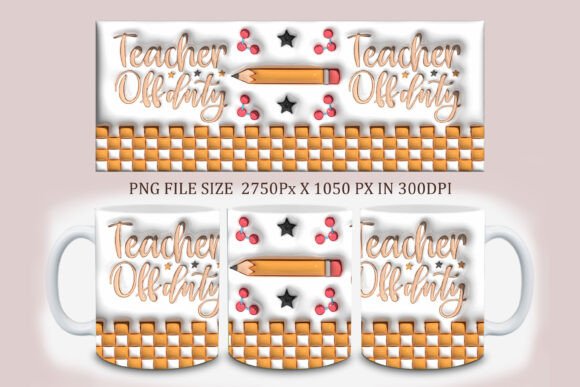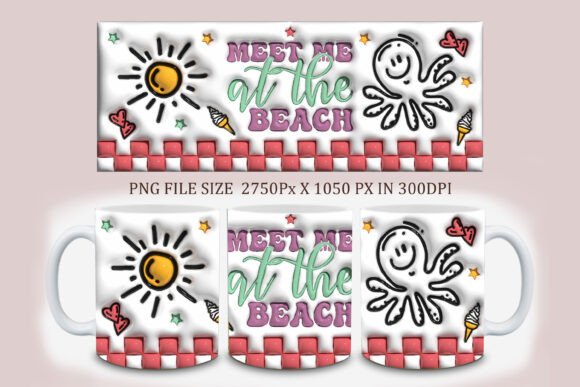
Elevating Brand Aesthetics with 3D Inflated Summer Mug Design
In the rapidly evolving landscape of digital content creation and physical product customization, visual appeal remains the primary driver of consumer engagement. Among the myriad of design trends capturing attention this season, the 3D Inflated Summer Mug Design stands out as a compelling fusion of playful aesthetics and technical precision. This style leverages the popular "inflated" or "balloon" typography and imagery trend, creating a sense of buoyancy, lightness, and fun that resonates deeply with summer-themed marketing campaigns. For creators, entrepreneurs, and marketers, understanding how to effectively utilize these assets is not merely about following a trend; it is about adapting to a market that increasingly values high-quality, versatile, and emotionally engaging visuals.
The relevance of this specific design approach lies in its ability to break through the noise of flat, two-dimensional graphics. By simulating depth, shadow, and volume, 3D inflated elements create a tactile experience even on a digital screen. When applied to merchandise such as mugs, this technique transforms a standard utility item into a statement piece. The 3D Inflated Summer Mug Design is particularly effective because it aligns with current lifestyle shifts toward joyful, vibrant, and Instagram-worthy products. Consumers are no longer just buying a container for their beverages; they are purchasing an aesthetic experience that reflects their personality and mood.
The Evolution of Digital Clip Art in Modern Workflows
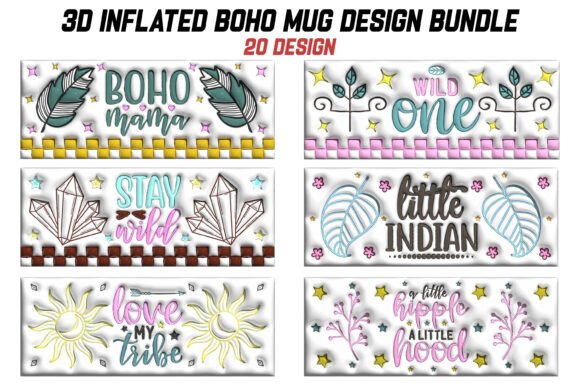
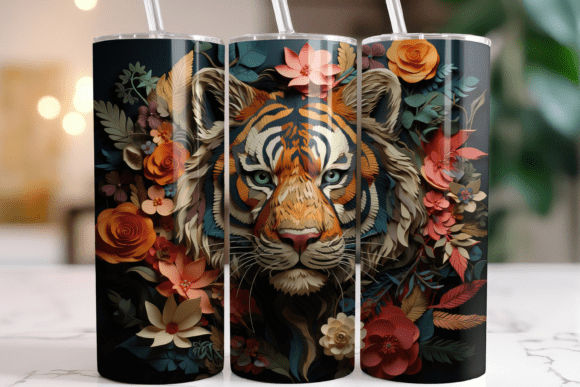
The way we consume and utilize digital assets has undergone a significant transformation. In the past, clip art was often associated with low-resolution, generic images that lacked professional polish. Today, however, the term encompasses high-fidelity, professionally rendered graphics designed for seamless integration into complex creative projects. The 3D Inflated Summer Mug Design exemplifies this shift. These quality clip art designs are perfect for a multitude of creative projects, ranging from sublimation products and cards to frame artwork, scrapbooks, t-shirts, pillows, bags, and stickers.
This versatility is crucial for modern creators who often manage multiple revenue streams or content channels. A freelance designer might use the same asset for a client’s social media campaign, a printed flyer, and a physical product line. The efficiency gained from using pre-rendered, high-quality 3D elements cannot be overstated. It allows professionals to focus on composition and branding rather than spending hours modeling and rendering complex 3D shapes from scratch. This democratization of high-end design tools empowers small business owners and hobbyists to compete with larger agencies in terms of visual quality.
Technical Specifications and Practical Implementation
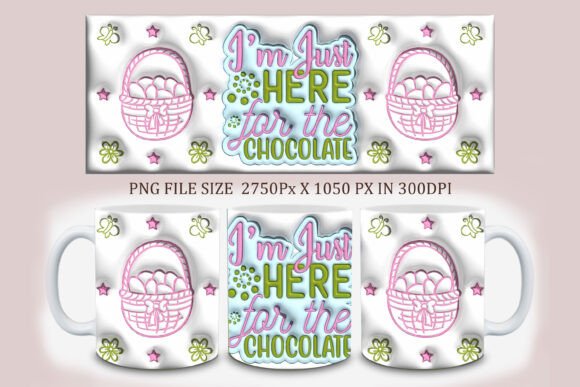
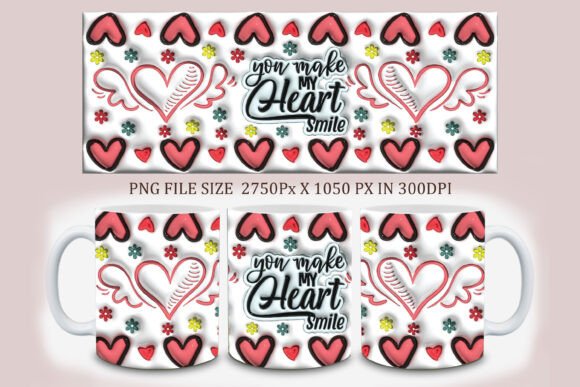
To fully leverage the potential of these designs, one must understand the technical requirements involved. High-quality digital files are the backbone of successful print-on-demand and custom merchandise businesses. For instance, the standard digital file provided for these designs is typically a PNG format at 300 DPI (dots per inch). This resolution is critical for ensuring that the final printed product retains sharpness and clarity, avoiding the pixelation that plagues lower-quality images.
Specifically, for mug sublimation, the dimensions are precise. An 11-ounce mug usually requires a wrap-around design size of approximately 9 x 3.5 inches, which translates to roughly 2700px x 1050px at 300 DPI. Using a file that meets these specifications ensures that the 3D Inflated Summer Mug Design wraps seamlessly around the ceramic surface without stretching or blurring. Creators must ensure they have a computer capable of unzipping these files and a design editing program that supports JPG and PNG file formats. Software such as Adobe Photoshop, Canva, or Affinity Designer can easily handle these layers, allowing for further customization if needed.
It is also important to note that while digital previews are accurate representations, actual colors may vary slightly due to monitor settings. Depending on how you choose to print out the image, colors and quality may vary based on the printer’s color profile, the type of sublimation paper used, and the coating of the mug itself. Professionals recommend performing test prints to calibrate their workflow and ensure the final product matches their brand standards.
Strategic Applications for Businesses and Creators
For entrepreneurs and marketers, the 3D Inflated Summer Mug Design offers a strategic advantage in seasonal marketing. Summer is a peak season for gift-giving, travel accessories, and promotional items. By incorporating trendy, eye-catching designs, businesses can increase the perceived value of their products. Consider a coffee shop launching a limited-edition summer blend; pairing it with a mug featuring vibrant, inflated 3D graphics creates a cohesive and memorable brand experience. Similarly, influencers and bloggers can use these designs to create unique merchandise for their audiences, fostering a deeper connection through exclusive, visually appealing products.
Beyond mugs, the adaptability of these assets opens doors to diverse product lines. The same design elements can be scaled and adjusted for t-shirts, where the 3D effect adds a modern streetwear vibe, or for tote bags, appealing to eco-conscious consumers who value style alongside sustainability. Scrapbookers and card makers can utilize these high-resolution PNGs to add a professional touch to handmade gifts, enhancing the emotional impact of their creations. The key is to recognize that these are not just static images but flexible components of a broader creative toolkit.
Navigating Color Accuracy and Quality Control
One of the most common challenges in digital-to-print workflows is color consistency. As mentioned, actual colors may vary slightly due to monitor settings. Most consumer monitors are calibrated for web viewing, which uses the RGB color space, while printing often utilizes CMYK or specific sublimation ink profiles. This discrepancy can lead to surprises when the final product arrives. To mitigate this, creators should familiarize themselves with basic color management principles. Using ICC profiles provided by printer manufacturers can help bridge the gap between screen and print.
Furthermore, the quality of the output depends heavily on the source file. The 3D Inflated Summer Mug Design provided in high-resolution PNG format ensures that there is sufficient data for the printer to reproduce fine details and smooth gradients. However, users must avoid upscaling lower-resolution images, as this introduces artifacts and reduces clarity. Always start with the highest quality file available, such as the 2700px x 1050px version intended for 11oz mugs, to guarantee the best possible result.
Future-Proofing Your Creative Assets
As technology advances, the demand for immersive and dynamic visuals will only grow. The popularity of 3D aesthetics in graphic design is not a fleeting fad but a reflection of our increasing interaction with three-dimensional digital environments, from gaming to virtual reality. By adopting tools and assets like the 3D Inflated Summer Mug Design, creators are future-proofing their skills and portfolios. They are learning to work with depth, lighting, and texture in ways that translate across various media platforms.
Moreover, the ease of access to these high-quality resources lowers the barrier to entry for new designers. It encourages experimentation and innovation, allowing individuals to test different styles and markets without significant upfront investment in 3D modeling software or hardware. This accessibility fosters a more diverse and vibrant creative economy, where unique voices can thrive through distinctive visual identities.
In conclusion, the integration of 3D Inflated Summer Mug Design into your creative workflow represents a smart investment in quality and relevance. Whether you are a seasoned professional looking to streamline your production process or a hobbyist eager to create personalized gifts, these assets provide the foundation for stunning results. By paying attention to technical details, understanding color variations, and leveraging the versatility of the designs, you can create products that not only meet but exceed customer expectations. Embrace the depth, vibrancy, and professionalism that these 3D elements bring to your projects, and watch your creative endeavors flourish in the competitive marketplace.