Plastic Cup Mock-up for Ice Cream: Elevating Brand Representation Through Precision Design
In the hyper-competitive landscape of frozen desserts and quick-service food, visual appeal is not merely an aesthetic choice; it is a critical business asset. Consumers make split-second decisions based on packaging, often before they have tasted the product itself. This is where the Plastic Cup Mock-up for Ice Cream becomes an indispensable tool for modern designers and brand strategists. It serves as your perfect canvas for high-quality food packaging design, bridging the gap between conceptual artistry and tangible market reality.
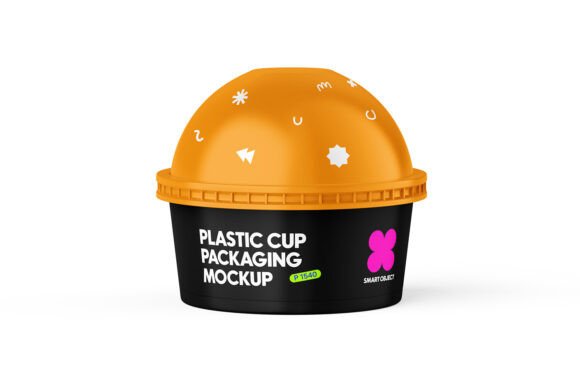
This 3D mockup features a versatile round plastic container, crafted to lace your ice cream, yogurt, frozen delights, or snack displays with realistic aura and panache. By utilizing this digital instrument, professionals can simulate the physical presence of their products with startling accuracy, allowing for iterative design processes that save time, reduce waste, and enhance creative confidence.
The Strategic Value of High-Fidelity Packaging Visualization
The transition from a flat vector file to a three-dimensional representation is often where many branding projects stumble. A logo might look pristine on a white background, but how does it wrap around a curved surface? How does the gloss of the plastic interact with ambient lighting? The Plastic Cup Mock-up for Ice Cream answers these questions before a single unit is manufactured. The meticulously designed layers offer editable facets for label design, branding, and packaging customization, enriching your product's unique personality with eye-pleasing visuals.
For entrepreneurs and startups, the cost of physical prototyping can be prohibitive. Traditional methods require printing labels, sourcing containers, and arranging professional photography sessions. In contrast, a digital mockup allows for infinite variations at a fraction of the cost. Whether for vanilla and chocolate ice cream, yogurt projects, or snack branding, this mockup caters to diverse frozen food illustrations. It empowers businesses to test multiple colorways, typography choices, and graphic elements rapidly, ensuring that the final decision is data-driven and visually optimized.
Adaptability in a Diverse Market
The modern consumer market is fragmented. What appeals to a health-conscious yogurt buyer may differ significantly from what attracts a customer seeking indulgent premium ice cream. Display your designs with precision and originality, thanks to the mockup's adaptability for easy tweaks. This flexibility is crucial for agencies managing multiple clients across different sectors of the food industry.
- Versatility: The round plastic container design is neutral enough to serve various products, from gelato and sorbet to frozen yogurt and parfait snacks.
- Realism: High-resolution textures mimic the translucency and reflectivity of real plastic, adding a layer of authenticity that flat designs lack.
- Efficiency: Smart object layers in Photoshop allow for instant updates, streamlining the workflow for busy freelancers and in-house design teams.
By integrating this tool into your workflow, you align your creative process with the broader industry trend toward agile development. Just as software companies release beta versions to gather feedback, food brands can use digital mockups to gauge stakeholder and consumer reaction to packaging concepts before committing to production runs.
Enhancing Workflow with Photoshop-Friendly Tools
For professional designers, the compatibility of assets with existing software ecosystems is paramount. This Photoshop-friendly mockup eases professional project presentations for businesses, startups, or personal usage. It is not just a static image; it is a dynamic workspace that respects the designer's need for control and precision.
The layer structure is organized logically, separating shadows, highlights, labels, and background elements. This separation allows for granular control over the final output. You can adjust the opacity of shadows to match specific lighting conditions or tweak the curvature of the label to ensure text remains legible and aesthetically pleasing. Let your packaging ideas spring to life, ensuring an unforgettable food and dessert branding experience with this vital design instrument.
Moreover, the ability to customize the environment surrounding the cup adds context to the presentation. A yogurt brand might choose a clean, minimalist background to emphasize purity and health, while an indulgent ice cream brand might opt for a warmer, richer setting to evoke comfort and luxury. This contextual framing helps stakeholders visualize the product in its intended retail or digital environment, facilitating clearer communication and faster approval cycles.
Meeting the Expectations of the Digital-First Consumer
We live in an era where the first point of contact between a brand and a consumer is often digital. Social media platforms, e-commerce websites, and digital menus require high-quality visuals that stand out in crowded feeds. The Plastic Cup Mock-up for Ice Cream is tailored for this digital-first reality. It provides the resolution and realism needed to create compelling content for Instagram, Pinterest, and online storefronts.
Consumers have become increasingly sophisticated in their visual literacy. They can distinguish between low-effort composites and professional-grade renderings. Using a high-quality mockup signals professionalism and attention to detail, traits that consumers subconsciously associate with product quality. When a brand invests in superior visual representation, it builds trust and credibility, which are essential for converting browsers into buyers.
- Initial Concept: Start with your base label design in Illustrator or Photoshop.
- Integration: Place the design into the smart object layer of the mockup.
- Refinement: Adjust lighting, shadows, and perspective to match your brand's aesthetic.
- Contextualization: Add background elements or props to tell a story about the product.
- Export: Generate high-resolution images for print or web-optimized files for digital marketing.
This structured approach ensures consistency across all marketing channels. Whether the image is used on a billboard or a mobile screen, the core visual identity remains intact and impactful.
Broader Industry Trends and Future Relevance
The adoption of advanced mockup tools reflects a larger shift in the creative industry toward sustainability and efficiency. Physical prototyping generates waste, from paper prints to plastic samples. By shifting the majority of the iteration process to the digital realm, brands can significantly reduce their environmental footprint. This aligns with the growing consumer demand for sustainable business practices, even in the design phase.
Furthermore, the rise of direct-to-consumer (DTC) models has placed greater emphasis on unboxing experiences and packaging aesthetics. For frozen food brands, the packaging is the primary touchpoint. It must protect the product, communicate the brand value, and entice the consumer. The Plastic Cup Mock-up for Ice Cream enables designers to perfect every aspect of this touchpoint, from the placement of nutritional information to the visual hierarchy of branding elements.
As technology advances, we can expect even greater integration of 3D visualization tools into standard design workflows. However, the fundamental principle remains unchanged: clarity and realism drive engagement. This mockup stands at the forefront of this evolution, offering a blend of simplicity and sophistication that meets the needs of today's diverse creative professionals.
In conclusion, the Plastic Cup Mock-up for Ice Cream is more than a design asset; it is a strategic tool for brand elevation. It empowers creators to experiment, refine, and present their ideas with confidence. By leveraging this technology, businesses can ensure that their packaging not only meets but exceeds the expectations of a discerning modern audience. Whether you are a seasoned agency director or an emerging entrepreneur, incorporating this tool into your design repertoire will enhance your ability to communicate value, build brand loyalty, and drive sales in the competitive frozen food market.
To explore how this tool can transform your next project, consider integrating it into your current design pipeline. The result will be a more polished, professional, and persuasive brand presentation that resonates with consumers and stakeholders alike. Discover more resources to enhance your packaging design strategy today.