Integrating the 3D Floral Fairy Tumbler Design into Your Creative Workflow
In the rapidly evolving landscape of digital crafting and small business entrepreneurship, the distinction between a generic product and a standout item often lies in the quality and specificity of the design assets used. The 3D Floral Fairy Tumbler Design represents more than just a visual pattern; it is a strategic resource for creators looking to streamline their production process while maintaining high aesthetic standards. For professionals, hobbyists, and small business owners, understanding how to effectively integrate this asset into existing workflows can significantly enhance efficiency, reduce error rates, and improve the final output quality.
This article explores the practical implementation of the 3D Floral Fairy Tumbler Design, examining its role in the broader context of sublimation printing, digital asset management, and product customization. By focusing on preparation, compatibility, and execution, we can uncover how this specific design fits seamlessly into both personal projects and commercial ventures.
Understanding the Asset Specifications and Quality Standards
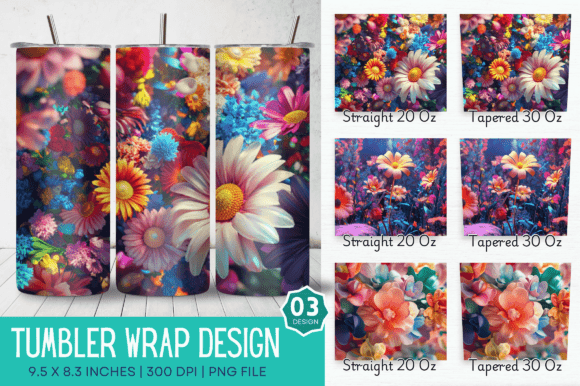
Before initiating any printing project, a thorough review of the digital asset’s technical specifications is crucial. The 3D Floral Fairy Tumbler Design is provided as a high-resolution PNG file with a resolution of 300 DPI (dots per inch). This specification is not merely a suggestion but a requirement for professional-grade sublimation printing. Lower resolution images often result in pixelation or blurred edges when scaled to fit physical objects, particularly on curved surfaces like tumblers where precision is paramount.
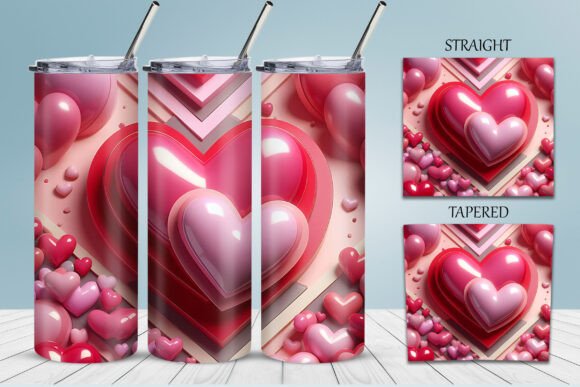
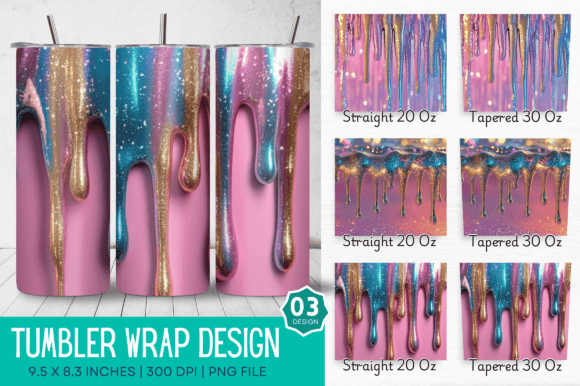
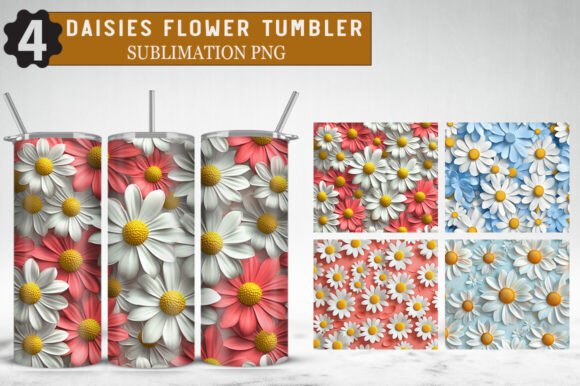
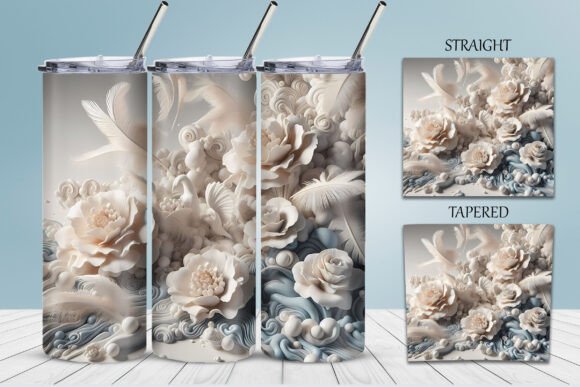
The design is sized at 9.5 x 8.3 inches, specifically tailored for standard 20oz skinny tumblers. This pre-sizing eliminates the need for complex manual adjustments that can introduce distortion. However, versatility remains a key feature. The file can be resized to fit other tumbler styles or adapted for different products such as T-shirts, hats, stickers, cups, backpacks, phone cases, blankets, and pillows. Understanding these dimensions allows creators to plan their material usage efficiently, reducing waste and ensuring consistent results across various product lines.
Pre-Production Preparation and Software Compatibility
Successful integration of the 3D Floral Fairy Tumbler Design begins with proper software setup. Since this is a digital download, users must ensure they have access to graphic design or sublimation software capable of handling high-resolution PNG files. Common platforms include Adobe Photoshop, Illustrator, Canva, or specialized sublimation software like Silhouette Studio or Cricut Design Space. Each platform has its own workflow nuances, but the core principle remains the same: maintain the integrity of the original file during import and editing.
During the preparation phase, it is essential to verify color profiles. Sublimation printing relies on precise color translation from digital screen to physical substrate. While the design features vivid colors and sharp details, monitor calibration plays a significant role in predicting the final outcome. Professionals often use color-checked monitors and test prints to align digital expectations with physical results. Additionally, organizing your digital library by categorizing assets like the 3D Floral Fairy Tumbler Design into folders based on theme, size, or product type can save considerable time during future projects.
The Sublimation Process: From Digital File to Physical Product
The actual application of the 3D Floral Fairy Tumbler Design involves a series of precise steps that bridge the gap between digital art and tangible goods. Sublimation printing works by turning solid ink particles into gas under heat and pressure, allowing them to bond with polymer-coated surfaces. This process requires careful attention to detail, particularly when dealing with wrap-around designs.
First, the design must be mirrored horizontally before printing. This step is critical because the image will be reversed again when transferred onto the tumbler. Failure to mirror the image results in backward text and misaligned patterns. Once printed on sublimation paper using high-quality sublimation ink, the next step involves wrapping the paper around the tumbler. The 3D Floral Fairy Tumbler Design is engineered for seamless wrapping, meaning the edges align perfectly without visible gaps or overlaps when applied correctly.
Heat press settings vary depending on the equipment and blank supplier, but typical parameters for 20oz skinny tumblers involve temperatures around 380°F (193°C) for approximately 180 seconds. Consistency in temperature and pressure is vital. Using a silicone wrap or shrink tape ensures the paper stays tight against the tumbler surface, preventing ghosting or blurring. This stage highlights the importance of the design’s high resolution; any imperfections in the print or alignment become magnified during the heat transfer process.
Versatility Beyond Tumblers: Expanding Product Offerings
While optimized for 20oz skinny tumblers, the utility of the 3D Floral Fairy Tumbler Design extends far beyond drinkware. Its straight tapered design structure allows for adaptation to various flat and curved surfaces. For entrepreneurs looking to diversify their inventory, this single asset can serve as the foundation for multiple product lines. For instance, resizing the design for phone cases requires adjusting the aspect ratio while maintaining the focal points of the floral fairy motif. Similarly, applying the design to T-shirts or hoodies may involve separating elements or adjusting opacity to suit fabric textures.
This versatility supports a lean business model where minimal asset creation yields maximum product variety. Instead of designing unique graphics for each item, creators can leverage one high-quality file across multiple categories. This approach not only saves time but also builds brand consistency. Customers who recognize the distinctive 3D Floral Fairy aesthetic on a tumbler are more likely to engage with related products like backpacks or pillows, fostering loyalty and repeat purchases.
Quality Control and Long-Term Usability
Maintaining high standards in custom crafting requires rigorous quality control measures. After the sublimation process, each item should be inspected for color accuracy, alignment, and surface defects. The 3D Floral Fairy Tumbler Design’s sharp details make it easier to spot misalignments or printing errors, serving as a built-in quality check. Items that do not meet standards should be discarded or repurposed to protect brand reputation.
Long-term usability of the digital file also depends on proper storage and backup practices. Since the product is a digital download, losing the file due to hardware failure or accidental deletion can disrupt workflow continuity. Storing copies in cloud services and external drives ensures accessibility regardless of location or device status. Furthermore, keeping track of license terms and usage rights is essential, especially for commercial sellers. The note from Digital_Art12 clarifies that this is a digital product with no physical shipment, emphasizing the user’s responsibility to have the necessary tools and software.
Strategic Implementation for Small Businesses and Creators
For small business owners, integrating the 3D Floral Fairy Tumbler Design into their catalog involves more than just printing; it requires strategic marketing and inventory planning. Highlighting the personalized and vibrant nature of the design in product descriptions can attract customers seeking unique gifts. Emphasizing the high-resolution quality and professional finish helps justify premium pricing. Additionally, offering customization options, such as adding names or dates to the base design, can increase perceived value without significant additional effort.
Educators and hobbyists can also benefit from this asset by using it as a teaching tool for digital design principles and sublimation techniques. Demonstrating how a single file can be adapted for various applications provides valuable hands-on experience in scalability and format conversion. This educational angle adds depth to the user experience, transforming a simple purchase into a learning opportunity.
In conclusion, the 3D Floral Fairy Tumbler Design is a versatile, high-quality asset that supports efficient and professional creative workflows. By understanding its technical specifications, preparing properly with compatible software, executing precise sublimation techniques, and leveraging its versatility across multiple products, creators can achieve consistent, high-quality results. Whether for personal enjoyment or commercial success, this design serves as a reliable foundation for innovative and visually striking custom items.