Understanding the Visual Power of Rough Weathered Tree Bark Textures in Digital Design
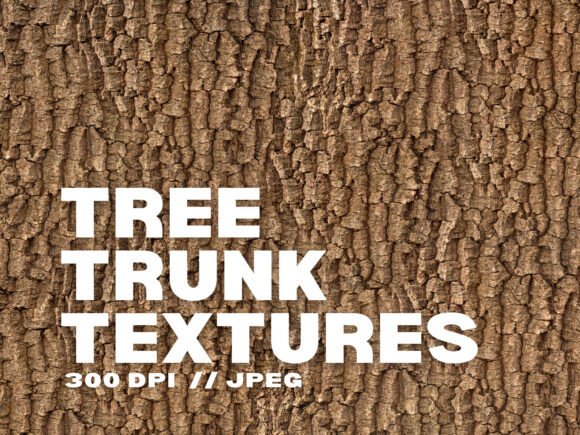
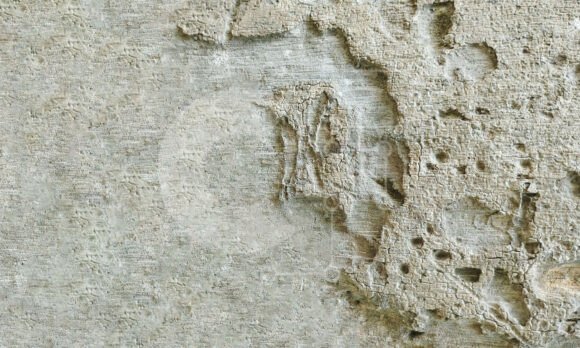
In the vast landscape of digital design, texture serves as the silent storyteller. It is the element that transforms a flat, sterile image into something that feels tangible, lived-in, and authentic. Among the most compelling and versatile textures available to creators today is the rough weathered tree bark texture. This specific visual asset captures the intricate details of nature’s resilience, showcasing natural cracks, holes, and organic surface details that have been shaped by time and the elements. For designers, photographers, and 3D artists, understanding how to utilize these high-resolution assets is not just about aesthetics; it is about grounding digital work in reality.
The Significance of Organic Surface Details
When we look at a close-up view of rough and weathered tree bark, we are not merely seeing wood. We are observing a complex topography created by decades of growth, weather exposure, and biological interaction. The deep fissures, the peeling layers, and the subtle variations in color tell a story of survival. In graphic design and environmental concepts, this narrative quality is invaluable. It adds depth and character that synthetic patterns simply cannot replicate.
The purpose of integrating such textures into your workflow extends beyond mere decoration. It helps establish a mood. A smooth, polished surface might convey modernity and cleanliness, but a weathered bark texture conveys history, stability, and connection to the earth. This makes it an ideal choice for projects related to sustainability, outdoor adventure brands, historical documentaries, or any creative endeavor that seeks to evoke a sense of natural authenticity.
Why High Resolution Matters
One common misunderstanding among beginners is that any image of bark will suffice for a background or overlay. However, the effectiveness of a texture is directly proportional to its resolution and clarity. A low-resolution image will appear pixelated when scaled, breaking the illusion of realism. This is why professional resources provide assets like the one described here: a high-resolution texture with dimensions of 8160 x 6144 pixels.
At this size, the file allows for extreme zooming without loss of detail. You can focus on the micro-textures—the tiny lichen spots, the fine grain of the wood, and the sharp edges of the cracks. This level of detail is crucial for realistic 3D modeling, where light interacts with surface irregularities to create shadows and highlights. Without high fidelity, the 3D object may look plastic or artificial, regardless of how sophisticated the lighting setup is.
Practical Applications in Modern Design Workflows
Integrating a rough tree bark texture into your projects can enhance various types of media. Here is how different professionals can leverage this specific asset:
- Graphic Designers: Use the texture as a background for posters, book covers, or packaging designs that emphasize eco-friendly products. The organic feel reinforces the brand’s commitment to nature.
- 3D Artists: Apply the image as a diffuse map or displacement map on 3D models of trees, wooden structures, or fantasy environments. The high resolution ensures that close-up camera angles remain crisp and believable.
- Web Developers: Utilize the texture subtly in website headers or section dividers to add visual interest without overwhelming the user interface. When used with proper opacity settings, it can create a sophisticated, tactile feel.
- Photographers: Employ the image as a backdrop for product photography, especially for items made of wood, leather, or metal, creating a cohesive natural aesthetic.
Technical Specifications and Usability
To ensure seamless integration into your creative pipeline, it is essential to understand the technical features of the asset. The provided texture comes in a single Zip file, making it easy to download and store. Inside, you will find one high-quality JPEG file. While some professionals prefer PNG or TIFF formats for transparency or lossless compression, JPEG remains a highly efficient format for textured backgrounds where slight compression artifacts are negligible against the complex noise of natural bark.
The image operates in the RGB colour mode, which is the standard for all digital screens, including monitors, smartphones, and tablets. This ensures that the colors you see on your screen are exactly what will be displayed in your final digital output. Additionally, the resolution is set at 72 PPI (Pixels Per Inch). While print projects often require 300 PPI, the sheer physical dimensions of this image (8160 x 6144 pixels) mean it contains enough total pixel data to be printed at large sizes if necessary, or downsampled for higher density outputs. For web and screen-based projects, 72 PPI is the optimal standard, balancing quality with file size performance.
Building a Broader Understanding of Texture in Creativity
Using a texture like this is not just about copying and pasting an image. It requires an understanding of how light and material interact. When you apply a rough bark texture to a design, consider the direction of the light source in your composition. Does the light hit the ridges of the bark, creating bright highlights? Or does it skim across the surface, emphasizing the deep shadows in the cracks? These considerations help you blend the texture naturally with other elements in your design.
Furthermore, this texture can serve as an educational tool. For students learning about botany or environmental science, high-resolution images of tree bark can help identify species or understand the effects of climate and age on plant life. In an educational context, such detailed visuals make abstract concepts concrete, allowing learners to examine the physical evidence of natural processes.
Avoiding Common Pitfalls
While the benefits are clear, there are pitfalls to avoid. One frequent error is overusing the texture. Because the pattern is busy and detailed, it can easily distract from the main subject of your design. To mitigate this, use the texture as a supporting element rather than the focal point. You can achieve this by lowering the opacity, applying a blur effect to distant areas, or using it only in specific sections of your layout.
Another assumption is that all bark textures are interchangeable. However, different tree species have vastly different bark characteristics. Pine bark is scaly and rugged, while birch bark is smooth and peeling. The "rough weathered" description implies a mature, possibly deciduous tree with significant age marks. Ensuring that the texture matches the botanical context of your project is key to maintaining credibility, especially in realistic 3D or environmental concept work.
Conclusion: Embracing Natural Authenticity
The rough weathered tree bark texture is more than just a digital file; it is a bridge between the natural world and digital creativity. By offering a close-up view that showcases natural cracks, holes, and organic surface details, it provides designers with the tools needed to create immersive, believable, and emotionally resonant work. Whether you are working on a nature-themed project, developing realistic 3D environments, or simply looking for a unique background, this high-resolution asset offers the versatility and quality required for professional results.
With its generous dimensions of 8160 x 6144 pixels, RGB color mode, and convenient ZIP delivery, this resource is ready to elevate your next creative endeavor. By understanding the technical specifications and applying the texture with intention, you can harness the power of nature’s intricate designs to enhance your visual storytelling. As digital media continues to evolve, the demand for authentic, high-quality textures will only grow, making assets like this an essential part of any designer’s toolkit.
For those interested in exploring more about digital texturing techniques or downloading similar high-quality assets, consider visiting specialized stock photography platforms or 3D resource libraries. These platforms often provide additional metadata and usage rights information, ensuring that you can use these beautiful natural details responsibly and effectively in your commercial and personal projects.