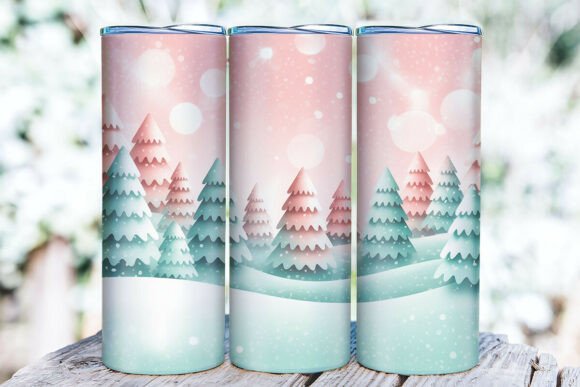
Mastering the 3D Inflated Christmas Tumbler Design for Professional Sublimation
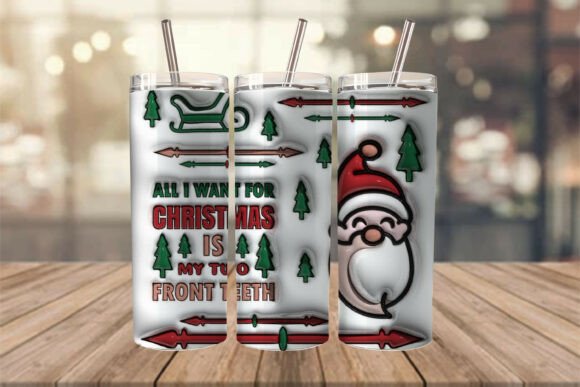
The holiday season represents a peak period for custom merchandise, with personalized drinkware standing out as a top choice for gifts and promotional items. Among the myriad of design trends that emerge each year, the 3d Inflated Christmas Tumbler Design has captured significant attention due to its unique visual depth and tactile appeal. This style mimics the look of puffy, air-filled balloons or soft vinyl inflatables, creating an illusion of three-dimensionality on a flat surface. For creators, understanding how to effectively utilize this aesthetic is crucial for producing high-quality, marketable products. The process involves more than just selecting a festive image; it requires a keen eye for detail, proper file preparation, and an understanding of how digital assets translate to physical objects.
When working with digital assets for sublimation, the quality of the source file dictates the quality of the final product. A premium 3d Inflated Christmas Tumbler template typically comes with specific technical specifications designed to ensure crisp, vibrant results. For instance, receiving a high-resolution PNG file at 300 dpi is standard for professional-grade printing. This resolution ensures that when the design is transferred onto the tumbler, there is no pixelation or blurriness, even when viewed up close. The dimensions provided, such as a straight wrap measuring 9.3 x 8.2 inches, are calculated to fit standard skinny tumblers perfectly. However, the versatility of these digital files allows for adaptation across various product types, making them a valuable resource for any creative entrepreneur.
Understanding the Technical Specifications
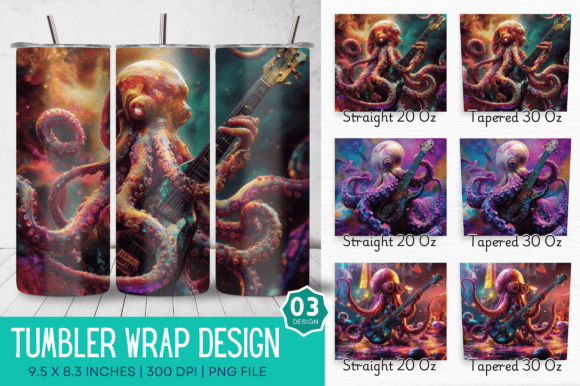
To achieve the best possible outcome, one must first appreciate the technical nuances of the files provided. A typical package for this type of design includes multiple variations to accommodate different tumbler shapes. You will often receive a ZIP file containing distinct PNG files: one optimized for straight-walled tumblers and another for tapered ones. Both are usually sized at 9.3 x 8.2 inches at 300 dpi. This dual-format approach is essential because the curvature of a tapered tumbler differs significantly from that of a straight cylinder. Using the wrong template can result in distortion, where characters or graphical elements appear stretched or compressed.
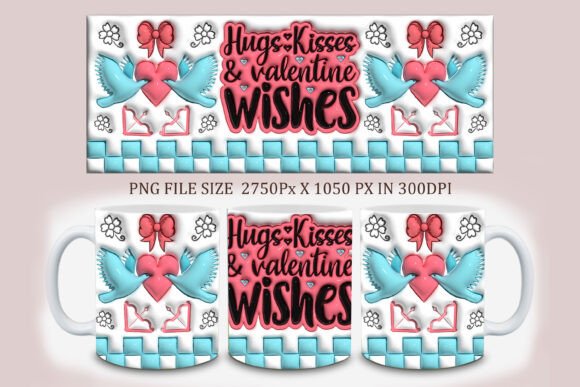
The "inflated" effect in the 3d Inflated Christmas Tumbler Design relies heavily on shading and highlights. These visual cues trick the eye into perceiving depth. When resizing these files, it is critical to maintain the aspect ratio to preserve these lighting effects. While the dimensions are approximate and can be resized according to your needs, drastic changes may alter the intended visual impact. Therefore, minor adjustments are recommended over complete rescaling. Additionally, since this is a printable file and nothing physical will be mailed to you, the responsibility for print testing falls on the creator. This digital nature allows for infinite reproducibility without inventory costs, but it demands rigorous quality control on the user’s end.
Material Compatibility and Application Versatility
While sublimation on polyester-coated tumblers is the most common application, the utility of these high-resolution PNG files extends far beyond metal drinkware. The clarity and color fidelity of a 300 dpi image make it suitable for a wide array of substrates. Creators can apply these designs to printable vinyl, which is ideal for creating stickers or decals for water bottles that cannot withstand heat. Heat transfer paper is another excellent medium, allowing the design to be applied to cotton or blended fabrics for holiday-themed apparel. This versatility means that a single purchase of a 3d Inflated Christmas Tumbler design can fuel multiple product lines, from drinkware to textiles and stationery.
Water-slide decals represent another sophisticated application method. This technique is particularly useful for irregularly shaped objects or materials that are not compatible with traditional sublimation or heat press methods. The high resolution of the source file ensures that the intricate details of the inflated effect remain sharp even after the decal is slid onto the surface and sealed. By leveraging these diverse application methods, businesses can maximize their return on investment for each digital asset. It is important to note, however, that colors may not print exactly as you see on screen due to printer and monitor differences. Calibration of your output devices is therefore a necessary step in maintaining brand consistency and customer satisfaction.
Design Aesthetics and Consumer Appeal
The popularity of the inflated aesthetic stems from its playful and modern interpretation of traditional holiday motifs. Unlike flat, two-dimensional graphics, the 3D effect adds a layer of sophistication and fun. It evokes the nostalgia of classic balloon animals and parade floats, reimagined through a contemporary digital lens. This style resonates well with consumers looking for unique, eye-catching items that stand out from generic store-bought merchandise. The use of bold colors and smooth gradients in the 3d Inflated Christmas Tumbler Design enhances this effect, making the characters and symbols appear soft and touchable.
From a marketing perspective, this design style offers excellent visual engagement on social media platforms. The illusion of depth photographs well, creating dynamic content that captures attention in crowded feeds. For educators and hobbyists, exploring this design trend provides an opportunity to discuss principles of light, shadow, and perspective in a practical context. It serves as a tangible example of how digital art techniques can influence physical product perception. By incorporating these designs into their offerings, creators can tap into the current demand for novelty and personalization in holiday gifting.
Workflow Optimization for Creators
Efficiency is key in high-volume production environments. Having access to pre-sized, high-resolution files streamlines the workflow significantly. Instead of spending hours designing complex shadows and highlights from scratch, creators can focus on customization and assembly. The ability to resize the file to fit your skinny tumbler size allows for quick adaptations to different product inventories. Whether you are using a Cricut, Silhouette, or a professional sublimation printer, the standardized format of these PNG files ensures compatibility with most design software. This reduces the learning curve and allows new entrants to the market to produce professional-grade items quickly.
Moreover, the organizational structure of the downloaded files plays a role in productivity. A well-organized ZIP file with clearly labeled folders for straight and tapered designs minimizes errors during the printing process. It is advisable to create a checklist for each order, verifying that the correct file version is selected based on the tumbler shape. This attention to detail prevents costly mistakes such as misaligned prints or distorted images. As you follow my designs to receive all my new designs every time, you build a library of assets that can be mixed and matched, further enhancing your creative flexibility.
Considerations for Quality Assurance
Despite the high quality of the source files, several external factors can influence the final output. Printer ink levels, heat press temperature, and pressing time all contribute to the vibrancy and durability of the sublimated image. It is recommended to perform test prints on scrap material before committing to a full production run. This helps in adjusting color profiles and ensuring that the "inflated" look translates correctly onto the curved surface. Additionally, understanding the limitations of your equipment is vital. Not all printers handle gradient-heavy designs equally well, so knowing your machine’s capabilities will help in setting realistic expectations.
Another consideration is the environment in which the final product will be used. Tumblers are subject to frequent handling, washing, and exposure to varying temperatures. Ensuring that the sublimation process is complete and the coating is properly cured will enhance the longevity of the design. Educating customers on proper care instructions can also reduce returns and complaints. By providing a high-quality 3d Inflated Christmas Tumbler Design and supporting it with best practices for application, creators can build a reputation for excellence and reliability in the competitive holiday market.
In conclusion, the integration of 3D inflated aesthetics into holiday merchandise offers a fresh and engaging approach to custom product creation. By leveraging high-resolution, versatile digital files, creators can produce stunning, professional-quality items that appeal to a broad audience. Whether used for sublimation, vinyl cutting, or heat transfer, these designs provide a solid foundation for innovative and profitable holiday collections. Success lies in the careful attention to technical details, thoughtful application methods, and a commitment to quality assurance throughout the production process.