6 3D 404 Error Page Design Ideas
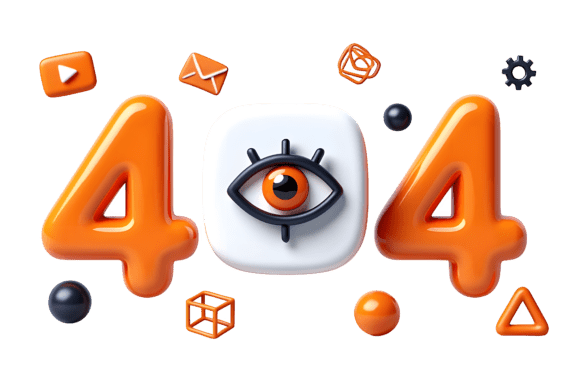
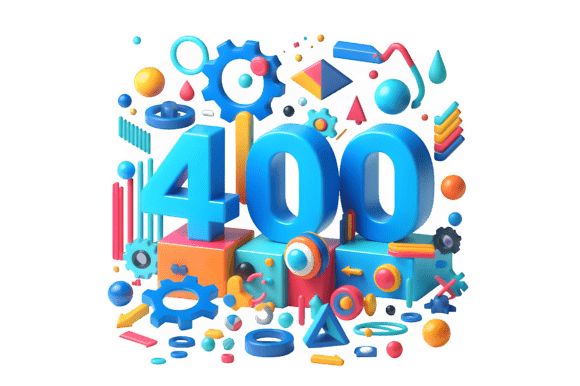
Transforming a frustrating dead end into a delightful visual experience is one of the smartest moves a modern web designer can make. The 6 3D 404 Error Page Design concept exemplifies this shift, turning a standard technical glitch into an opportunity for brand storytelling and user engagement. This playful approach features bold, glossy numbers rendered in a modern cartoon style, surrounded by colorful floating icons and abstract shapes that capture attention without overwhelming the viewer.
In the realm of graphic design and UI design, every touchpoint matters. A broken link is traditionally a moment of friction, but with the right visual design strategy, it becomes a memorable interaction. The vibrant illustration style associated with these 3D assets ensures that visitors remain on your site longer, reducing bounce rates and maintaining a positive perception of your brand identity. The clean, isolated background of these designs ensures easy customization, allowing seamless integration into various design workflows.
Elevating User Experience Through Visual Playfulness
The core strength of this aesthetic lies in its ability to balance fun with functionality. High-quality 3D rendering adds depth and tactility to digital interfaces, making the error message feel like a deliberate part of the user experience rather than an afterthought. When users encounter missing content, the immediate visual cue of glossy, friendly typography helps diffuse frustration. This aligns perfectly with current design trends that prioritize human-centric interactions and emotional connectivity in digital products.
For developers and designers, the versatility of these assets is crucial. They are not limited to website error pages. The high-resolution nature of the rendering makes them suitable for both print and digital use, ensuring consistency across all media. Whether you are working on web design projects or creating assets for digital marketing campaigns, the adaptability of these 3D elements supports a cohesive visual hierarchy.
Practical Applications Across Creative Projects
Beyond the immediate context of a 404 page, these vibrant 3D illustrations serve as powerful tools in a broader creative toolkit. Their modular nature allows them to be repurposed effectively across various mediums. Consider how these elements can enhance your overall creative assets library:
- Website and UI Design: Use the floating icons and abstract shapes as decorative elements in loading screens, onboarding flows, or empty states within apps.
- Social Media Graphics: The bold colors and modern aesthetics make these assets ideal for eye-catching posts that highlight brand personality on platforms like Instagram and LinkedIn.
- Digital Presentations: Incorporate the glossy numbers and shapes into slide decks to break up text-heavy sections and maintain audience engagement during professional presentations.
- Marketing Materials: Leverage the playful vibe in email headers or landing page banners to create a sense of approachability and innovation.
- Packaging Design: For brands with a youthful or tech-forward image, these 3D elements can be adapted for packaging labels or promotional merchandise.
Selecting and Integrating 3D Assets Effectively
When incorporating such distinctive visual elements into your project, consistency is key. The chosen color palette should complement your existing branding guidelines. While the default vibrant colors are engaging, ensure they do not clash with your primary brand colors. Adjusting hues slightly to match your corporate identity can help maintain a professional yet creative look.
Readability and scalability are also critical factors. Ensure that the 3D numbers remain legible across different screen sizes, from mobile devices to large desktop monitors. The typography used in conjunction with these 3D elements should be clean and modern to avoid visual clutter. A sans-serif font often pairs well with the smooth curves of 3D renders, enhancing the modern aesthetics of the overall composition.
Furthermore, consider the context of use. In editorial design or print design, the resolution must be high enough to prevent pixelation. For UX design, ensure that the animation or static image does not slow down page load times significantly. Optimizing file formats while preserving quality is a essential step in a polished design workflow.
Ultimately, the goal is to create a seamless blend of form and function. By thoughtfully selecting and customizing these 3D assets, you reinforce your commitment to quality and attention to detail. This level of care resonates with users, strengthening trust and loyalty. Whether you are refining a logo design system or launching a new advertising campaign, integrating high-quality, playful 3D elements can elevate your visual communication to new heights.
Embracing these creative resources allows designers to push boundaries while maintaining usability. The result is a digital presence that is not only visually striking but also deeply engaging, turning potential negative experiences into opportunities for connection and delight.