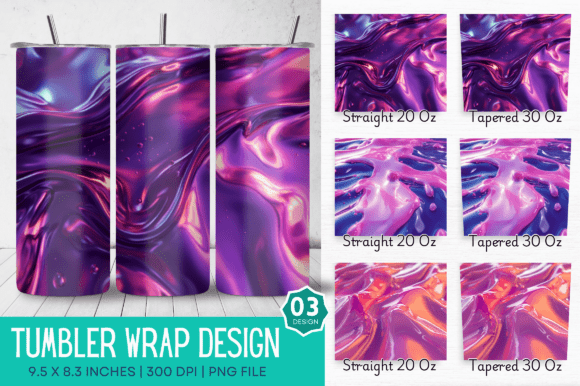
3D Liquid Melting Tumbler Design Guide
The visual landscape of custom drinkware has shifted dramatically in recent years. Gone are the days when a simple logo or basic text overlay was enough to capture attention on a crowded social media feed or a bustling craft fair table. Today, consumers and clients alike are drawn to depth, movement, and hyper-realistic textures. This is where the 3D Liquid Melting Tumbler Design concept steps in, offering a dynamic aesthetic that transforms standard sublimation blanks into eye-catching pieces of functional art. While the term might initially suggest a specific graphic asset, it represents a broader design philosophy centered on fluidity, vibrant color gradients, and the illusion of three-dimensional space on a two-dimensional surface.
For designers, entrepreneurs, and hobbyists working with sublimation printing, understanding how to leverage this style is crucial. It is not merely about applying a pretty image; it is about creating an experience. The "melting" effect plays with light and shadow, mimicking the way viscous liquids interact with gravity and surface tension. When executed correctly, these designs create a tactile illusion that makes the viewer want to reach out and touch the tumbler. This level of engagement is invaluable for small business owners looking to differentiate their products in a saturated market.
Visual Dynamics and Aesthetic Appeal
The core appeal of the 3D Liquid Melting Tumbler Design lies in its ability to convey motion and energy. Unlike static patterns, these graphics feature flowing lines, dripping effects, and seamless color transitions that suggest constant change. The high-resolution nature of professional-grade assets, typically delivered at 300 DPI, ensures that every droplet and gradient shift remains crisp, even when stretched across the curved surface of a 20oz skinny tumbler.
From a technical perspective, this style relies heavily on sophisticated layering and blending modes. The "liquid" elements often appear to sit above the base color, creating a sense of depth that flat vector art cannot achieve. This is particularly effective for sublimation because the dye penetrates the polymer coating of the tumbler, allowing for rich, continuous tones without the pixelation issues common in lower-quality prints. The result is a vibrant, glossy finish that enhances the 3D illusion, making the colors pop against the metallic or white background of the drinkware.
When considering where this aesthetic fits best, think beyond just tumblers. The versatility of these digital files means they can be adapted for a wide range of merchandise. The same fluid dynamics that look stunning on a curved cup can be resized and repositioned for T-shirts, hats, backpacks, and phone cases. In each application, the design maintains its energetic personality, appealing to a demographic that values bold, modern expression. Whether used for personal projects or commercial sales, the key is maintaining the integrity of the resolution and ensuring the wrap aligns perfectly with the product’s dimensions.
Strategic Application in Branding and Marketing
For brand strategists and marketers, the choice of visual style directly influences brand perception. A 3D Liquid Melting Tumbler Design communicates creativity, modernity, and attention to detail. It suggests that the brand is current and willing to invest in high-quality presentation. This is particularly relevant for businesses targeting younger demographics or those in creative industries such as beauty, fitness, or tech accessories, where visual impact drives purchasing decisions.
However, integrating such a bold design requires careful consideration of visual hierarchy. Because the liquid effect is inherently busy and colorful, it should not compete with essential information. If you are adding text, such as a name or a slogan, it is vital to choose a typeface that contrasts well with the background. A clean sans serif font often works best here, providing stability against the fluid chaos of the melting effect. Alternatively, a bold script font can complement the flow if placed strategically in areas of negative space within the design.
Consistency is another critical factor. If you are building a brand identity around this aesthetic, ensure that your other design assets—such as social media graphics, packaging design, and web design elements—echo similar color palettes and fluid motifs. This creates a cohesive brand story that customers can recognize instantly. For example, if your tumbler features a neon blue and purple melt, your Instagram highlights and email headers should incorporate similar hues and organic shapes. This holistic approach strengthens brand recognition and professionalism.
Practical Implementation for Creators
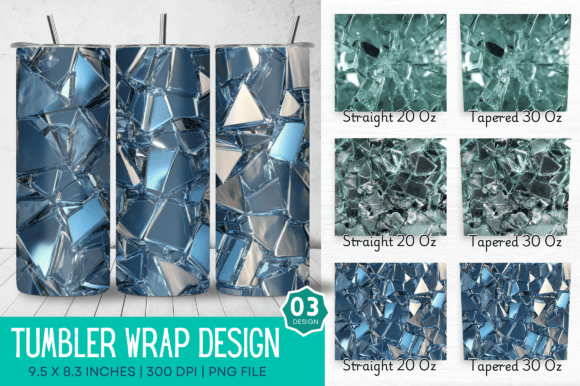
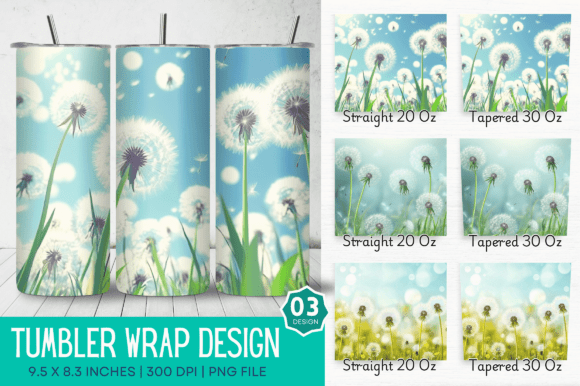
Executing a successful sublimation project with these designs requires more than just downloading a file. It demands a workflow that respects the technical constraints of the medium. First, always verify the dimensions. A standard 20oz skinny tumbler typically requires a wrap size of approximately 9.5 x 8.3 inches, but this can vary slightly between manufacturers. Always measure your specific blank and adjust your canvas size accordingly before placing the design. Resizing a raster image like a PNG can lead to quality loss if done excessively, so starting with a high-resolution source is non-negotiable.
Software proficiency is also key. While many digital downloads come ready to print, having access to editing software allows you to customize the design further. You might want to adjust the hue to match a client’s brand colors or add additional elements like logos or monograms. When doing so, keep readability in mind. If the background is complex, consider adding a subtle drop shadow or a semi-transparent shape behind text elements to ensure they remain legible. This is a common practice in editorial design and packaging design that translates well to promotional products.
Licensing is another area that requires diligence. Most digital art providers, including creators like Digital_Art12, offer files for both personal and commercial use, but terms can vary. Always read the license agreement carefully. Understanding whether you can resell the physical item, use the design in mass production, or modify the asset for derivative works protects your business from legal issues. Treating these digital assets as professional tools rather than casual clipart elevates the perceived value of your final product.
Finally, test your prints. Sublimation is sensitive to time, temperature, and pressure. A design that looks perfect on screen may shift in color or clarity if the heat press settings are off. Create a prototype using a spare tumbler to check color accuracy and wrap alignment. Pay attention to the seams; a well-executed 3D Liquid Melting Tumbler Design should have a seamless transition where the edges meet, avoiding any awkward cuts through key visual elements. This attention to detail separates amateur crafts from professional-grade merchandise, ensuring that your work stands out in a competitive marketplace.